The End of the Road by Andrew Welsh-Huggins

End of the Road cover with the image of a burning barn

When it comes to book clubs. I’m kind of the way Fight Club’s Marla Singer is about support groups. I can’t pass one up. One of my favorite groups, called Wine and Words, is put on by Gathering Volumes, the Toledo area’s only independent bookstore. This month’s Wine and Words read was The End of the Road by Andrew Welsh-Huggins, a gripping crime novel set in Columbus, Ohio. 

Columbus, Ohio skyline

The novel offers three intriguing point-of-view characters, but the real driver of the action is Penny, a woman whose partner—after just one day out of prison—is shot by the crime boss he testified against. As the story unfolds, it becomes clear that the only way to stop the merciless crime boss is for Penny to go after him herself. During the course of her quest, Penny meets rural sheriff’s deputy J.P. (another wonderful POV character), who joins her on her journey toward a final showdown.

Reader Takeaway

There’s a lot to enjoy in this novel, but the propulsive forward momentum was what stood out to me. Fair warning: you might want to clear your schedule, because once you start reading The End of the Road, it’s hard to put down. Part of this is due to Penny, a tenacious yet vulnerable protagonist determined to find justice in an unjust situation. 

Writer Takeaway

Another reason this book is so gripping is that Welsh-Huggins gives Penny a crystal-clear motivation for seeking vigilante justice, along with a rapidly ticking clock. In crime fiction, “the ticking clock” is a plot mechanism that compels the protagonist to reach their goal by a certain time or else risk losing everything. Anyone looking for a good example of this technique should pick up this book. Welsh-Huggins masterfully sets the clock in motion that propels Penny on her frenetic overnight journey through Columbus and rural Ohio. 

Bonus: For fans of crime novels and sports, Welsh-Huggins is also the author of seven books in the highly entertaining Andy Hayes series, which features a former Ohio State football player turned private eye.

Deer Season by Erin Flanagan

Cover of murder mystery book Deer Season by Erin Flanagan

Erin Flanagan set her Edgar-winning debut mystery DEER SEASON in the 1980’s in Gunthrum, Nebraska. The story follows the disappearance of teenager Peggy Ahren, but much of the story centers on Alma Costagan and intellectually disabled farmhand, Hal Bullard, who has become like a son to her over the years. When Hal becomes an easy target for suspicion, Alma and Milo (Peggy’s brother) are among the few people left still searching for answers.  

Reader Takeaway: As someone who grew up in the rural Midwest, I loved the setting of this novel. It felt true to my experiences growing up in a similar place and time–from the network of small-town gossip to basement rec rooms and what it takes to keep a farm running. What I most appreciated was that it portrayed rural Midwesterners not as caricatures but as intelligent, complex individuals; in fact, what set the novel apart for me were the poignant insights into each character, particularly Alma and Milo. Flanagan shows us how Alma’s life has not turned out as she expected and how disappointments have begun to turn her bitter. This is a quiet, slow burn of a mystery that takes its time to fully build a world and make you care about the characters.

Writer Takeaway: I set my debut mystery HIDDEN ROOMS in rural Ohio, and although I hadn’t read DEER SEASON when I drafted it, so much of what Flanagan achieved in her this novel is exactly what I hoped to capture myself. Flanagan demonstrated how to set a riveting mystery in a “flyover” farm town by capturing the complex layers of tension between those who have lived in a place their whole lives, those who are new to town, and those who want to leave one day. I recommend this (and Flanagan’s other work) for any writer who wants to capture the overlooked depths and nuances of an under-represented place.

The Murder of Madison Garcia by Marcy McCreary

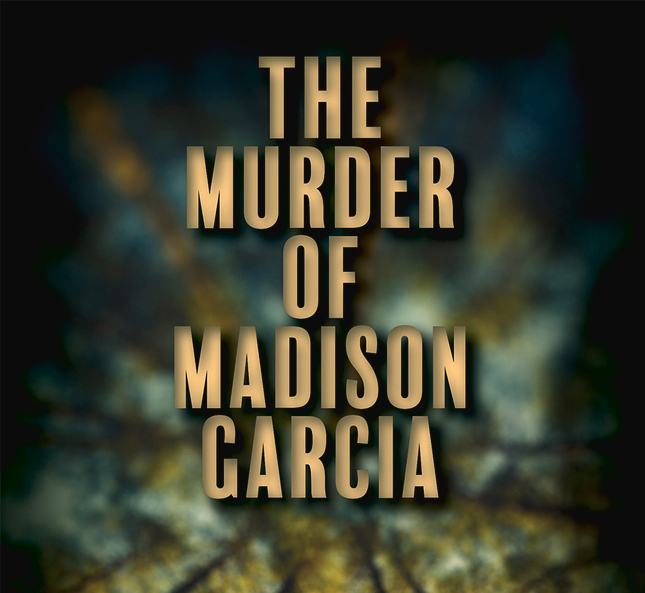
The Murder of Madison Garcia book cover

I enjoyed Marcy McCreary’s first Susan Ford mystery, The Disappearance of Trudy Solomon, and was excited to read the second book in the series, The Murder of Madison Garcia. I was happy to see that this book features another collaboration between Detective Ford and her father, a retired police officer. This time around, the pair investigate the death of Madison Garcia, who happens to be the daughter of a family friend and who placed a call to Detective Ford on the night of her murder. One of the many joys of this book is the depiction of Detective Ford’s relationship with her parents. McCreary lovingly captures the mix of affection, squabbles, and humor between Ford and her aging parents. Themes of family and friendship were also woven throughout this mystery and raised interesting questions about the people we trust (or simply tolerate) and why. As in the first book, McCreary nails the investigatory details that make for an engrossing police procedural. 

Reader Takeaway: The Murder of Madison Garcia is another engrossing, page-turning mystery from McCreary. This book kept me guessing up to the very end with an interesting ensemble of suspects, all of whom have their secrets. I suspected just about every character at one point or another! Of course, I stayed up way too late finishing this book, and now I’m already looking forward to the next one.

Writer Takeaway: I’m currently outlining my second book in a series, so I was especially struck by how skillfully McCreary carried over characters and events from her first novel into her second. I’m sure we have all encountered a series where each book has an info dump to catch readers up on what they may have missed. Those who have followed the series over time might just skim over this type of ‘housekeeping’ summary. McCreary shows authors how to avoid this and, instead, capitalize on the complexity of recurring characters. Nothing felt repetitive in McCreary’s second book—instead, McCreary built on the foundations from her first novel while including just the right amount of information for new readers. The Murder of Madison Garcia offers a great example for those of us who might want to write a series by showing how recurring characters and places can grow cumulatively richer with each book.